Filed under
New series: From idea to object
By Benjamin Evans
We are living through a strange asymmetry.
The easiest it has ever been to make something is on a screen.
An app. A prototype. A workflow. A landing page. A tool that reaches thousands by dinner.
The bar has never been lower to make something digital.
And yet most of life is not lived there.
Life is lived in the physical world. In moments, sensations, and rituals. In the first reach for light in the morning. In the friction of getting out the door. The choreography of cooking, cleaning, working, resting, gathering, fixing. And each of those rituals is shaped by objects, whether we notice them or not: a stool, a shelf, a lamp, a drawer, a hook, a table. Small artifacts that either support the flow of life, or quietly add friction to it.
Most writing about AI is still about bytes.
This series is about atoms.

Last year, we bought a house. And like most houses, it quickly revealed itself as a stack of hidden decisions, hidden costs, and hidden problems. Behind one project: termites. Behind another: structural issues. Then lighting. Then plumbing. Then millwork. Then all the smaller problems that sit somewhere between "I should call someone" and "I have no idea where to start."
Very quickly, I was in over my head.
Not because I had no ideas. Because I had too many of them, and too little of the craft needed to make them real.
I am not a master woodworker. I am not a plumber by trade. I did not spend years apprenticing across every discipline required to shape a home with precision. And hiring experts for every problem, every detail, and every decision is not realistic for most people, especially now.
That was the gap: between intention and execution. Between being able to design something and being able to build it.
AI helped close it.
Not by replacing expertise, but by making it more reachable. By translating jargon. Sequencing decisions. Comparing options. Surfacing standards. Stress-testing plans. Reducing avoidable mistakes. Helping me turn vague intent into something I could actually execute.
It did not remove the need for judgment. It did not replace taste. It did not magically confer craft. And it definitely does not replace the earned skills of a master-maker.
But it lowered the barrier to entry in a way that felt profound.
It made real-world making more legible. More accessible. More possible.
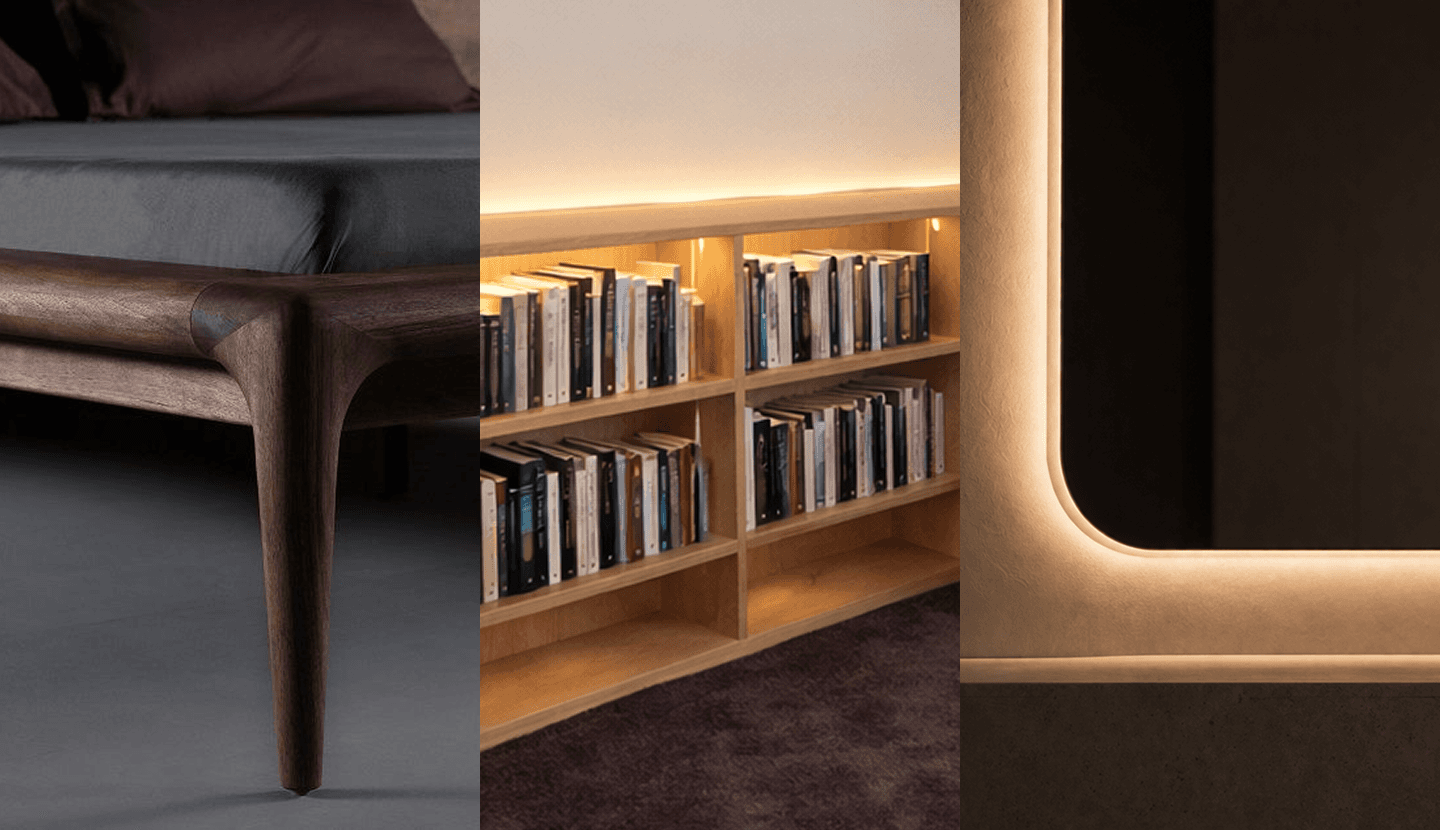
From Idea to Object is a series of build essays about that process.
Each piece will follow a real project — for my home, my family, or the everyday systems around us. Not speculative demos. Not polished concept videos. Real constraints. Real costs. Real tradeoffs. Real outcomes.
The goal is simple: to document how AI can help bridge the gap between idea and execution in the physical world, especially when the usual barriers are high — lack of specialist craft, lack of money, lack of confidence, lack of time.
This is not a series about AI as abstraction.
It is about using AI to make useful things.
Things I likely would not have made otherwise.
Things my family can touch and use every day.
AI beyond the screen.
Agents for the real world.
Practical intelligence for useful things.
Atoms, not apps.


